By
By 
You’re not alone. More than 68 million Americans have a credit score below 600, and if you’re reading this, you’ve probably felt the sting of rejection—denied for an apartment, turned down for a car loan, or hit with sky-high interest rates that make you feel trapped.
Here’s the truth: bad credit doesn’t define you, and it’s not permanent.
In 2026, secured credit cards remain one of the fastest and most reliable ways to rebuild your financial reputation. Unlike traditional credit cards that require pristine credit, secured cards give you a second chance. They report to all three major credit bureaus, meaning every on-time payment you make is building a positive credit history—sometimes in as little as 90 days.
This year is particularly promising. With increased competition among card issuers and consumer-friendly regulations, we’re seeing lower fees, better rewards programs, and more transparent terms than ever before. Whether you’re recovering from bankruptcy, starting fresh with no credit history, or just trying to undo past mistakes, the right secured card can be your gateway to financial freedom.
In this guide, we’ll walk you through the 7 best secured credit cards for 2026, chosen specifically for their ability to help you rebuild credit quickly while minimizing costs. We’ve done the research so you don’t have to wade through confusing fine print or predatory offers.
Let’s get your credit score moving in the right direction.
What Is a Secured Credit Card?
A secured credit card works differently from the traditional credit cards you might be familiar with. Here’s the fundamental concept: you provide a refundable security deposit (typically $200-$500) that serves as collateral for the card issuer. This deposit usually becomes your credit limit.
For example, if you deposit $300, you’ll generally get a $300 credit limit. This deposit significantly reduces the lender’s risk, which is why people with bad credit or no credit history can get approved when they’d be denied for unsecured cards.
Here’s what makes secured cards powerful for credit building:
- They function like regular credit cards. You make purchases, receive monthly statements, and pay bills. The card issuer reports your payment history to Experian, Equifax, and TransUnion—the three major credit bureaus.
- Your deposit is refundable. When you close the account in good standing or graduate to an unsecured card, you get your deposit back in full.
- They’re NOT prepaid cards. This distinction is crucial. Prepaid cards don’t involve borrowing or reporting to credit bureaus, so they do nothing for your credit score. Secured credit cards are actual lines of credit that build your payment history.
The biggest misconception? That secured cards are a permanent solution. They’re not. Think of them as training wheels for your credit—a temporary tool to prove your creditworthiness until you qualify for better products.
Most cardholders with responsible usage patterns graduate to unsecured cards within 12-18 months, at which point their deposit is returned.
Our Ranking Criteria: How We Chose These Cards
We didn’t just pick these cards randomly. Our evaluation process focused on what matters most to people rebuilding credit in 2026:
1. Credit Bureau Reporting: Does the card report to all three major bureaus? (Non-negotiable requirement)
2. Fee Structure: We prioritized cards with no annual fees or low fees under $50. Many subprime products charge $99+ annually—we filtered those predatory options out.
3. Deposit Flexibility: Lower minimum deposits ($200 or less) and the option to increase credit limits ranked higher.
4. Graduation Path: Can you upgrade to an unsecured card without applying for a new product?
5. APR and Terms: While APRs on secured cards tend to be high (18-27%), we looked for reasonable ranges and no hidden fees.
6. Additional Benefits: Rewards programs, free credit score monitoring, and educational resources earned bonus points.
7. Customer Experience: We reviewed thousands of user testimonials focusing on approval experiences, customer service quality, and actual credit score improvements.
The 7 Best Secured Credit Cards to Rebuild Your Score in 2026
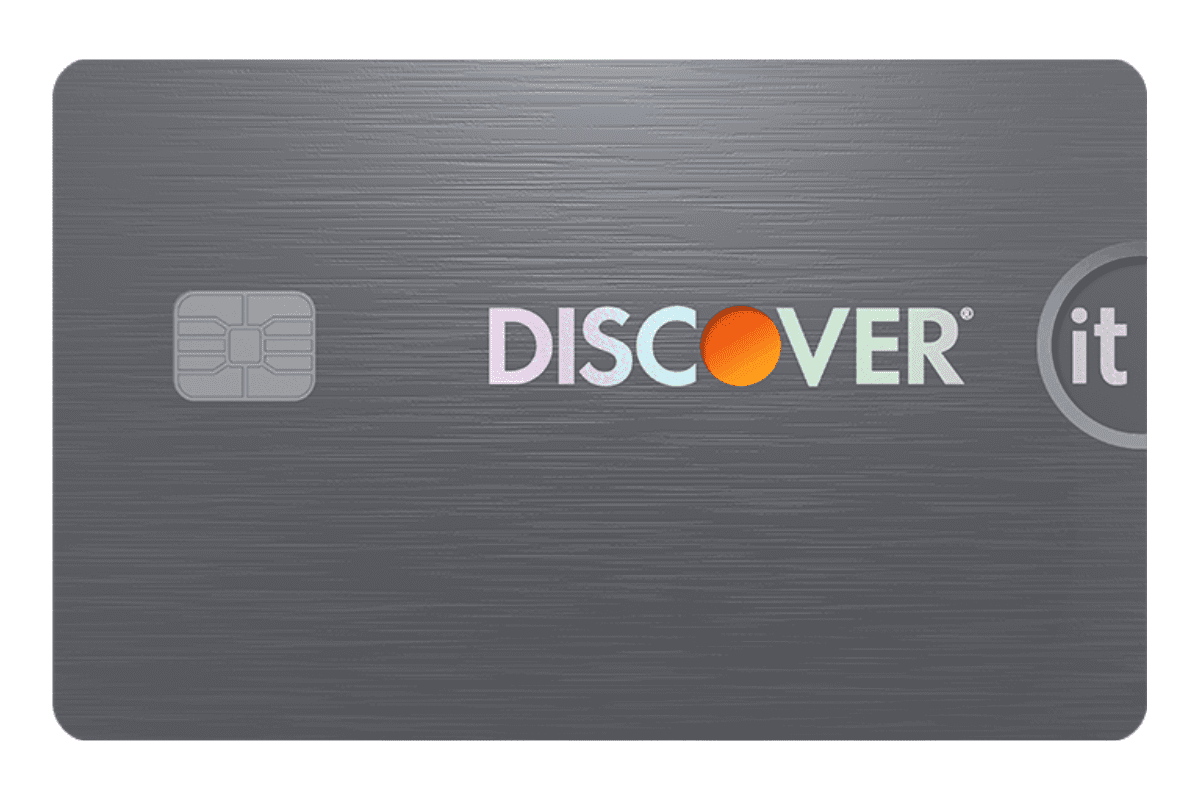
Discover it® Secured Credit Card
- No annual fee (rare for rewards cards)
- Earn 2% cash back at Gas Stations & Restaurants
- Automatic credit line reviews starting at 6 months
- Free FICO score tracking in app
- Reports to all 3 credit bureaus monthly
- Higher APR compared to some competitors
- Cash back earnings are modest vs unsecured cards
- No bonus categories for higher rewards
Why We Picked It:
This card breaks the mold by offering actual cash back rewards on a secured product. Most secured cards offer zero rewards, making this a standout option for 2026. The automatic review process means the issuer will proactively consider you for an unsecured card upgrade without requiring a new application.
Users report seeing FICO score increases of 30-50 points within the first three months of responsible use. The mobile app makes tracking your progress simple, and the absence of an annual fee means more of your money goes toward building credit instead of paying unnecessary charges.
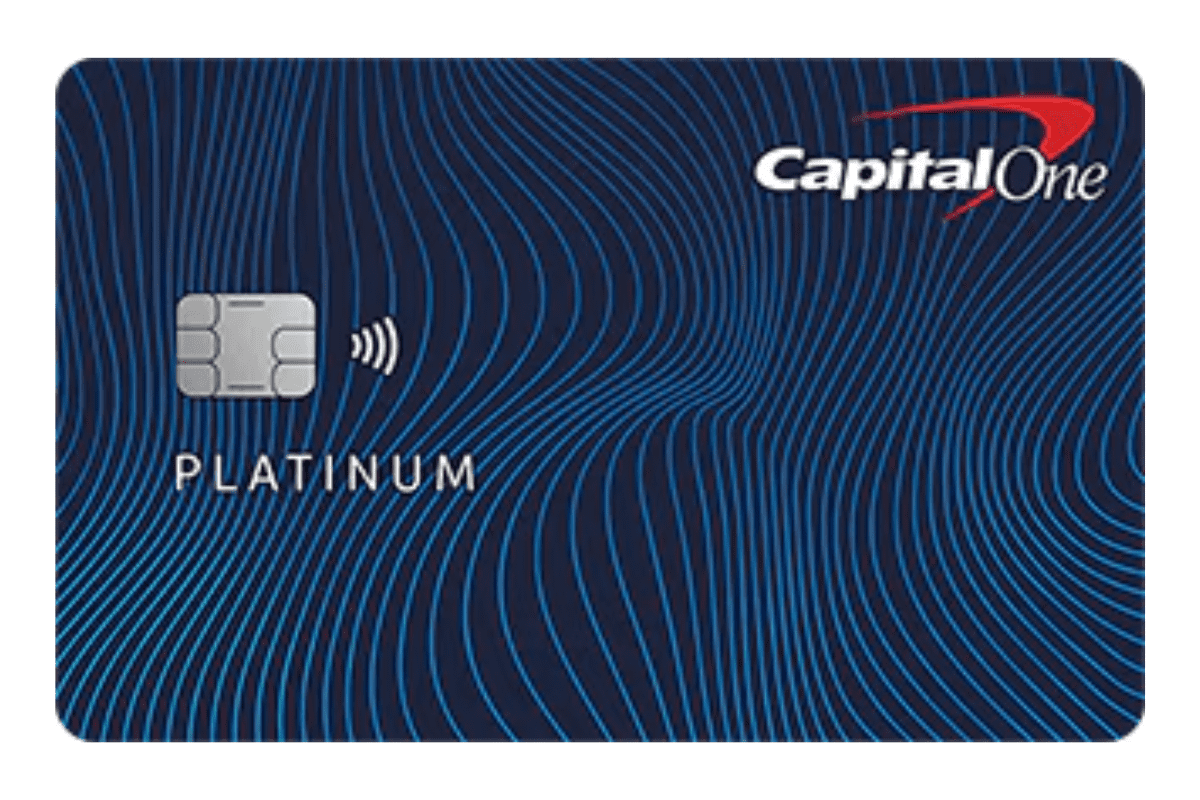
Capital One Platinum Secured Credit Card
- Industry-low minimum deposit of just $49
- No annual fee
- Potential to increase credit limit in 6 months
- Simple approval process (pre-qualification available)
- Includes identity theft protection features
- Lower initial credit limit ($200)
- Fixed APR with limited flexibility
- Fewer premium features or rewards
Why We Picked It:
If you’re living paycheck to paycheck, coming up with $200-300 for a deposit might be impossible. This card solves that problem with a $49 minimum deposit—the lowest we’ve found among reputable issuers that report to all three bureaus.
What makes this truly valuable is the credit limit increase opportunity. After six months of on-time payments, many users report credit line increases to $500-700 without putting down additional funds. This accelerates your credit utilization improvement and demonstrates lender confidence in your progress.

OpenSky® Secured Visa® Credit Card
- Fast-track graduation program (8-12 months)
- Deposit returned as statement credit upon graduation
- Premium credit monitoring tools included
- Customer service trained in credit rebuilding
- No credit check to apply
- Annual fee of $35
- No rewards program
- Requires bank account for funding
Why We Picked It:
The defining feature here is the accelerated graduation timeline. While most secured cards review your account after 12-18 months, this issuer actively evaluates your account starting at 6 months and typically upgrades responsible users by the one-year mark.
The $35 annual fee is worth it when you consider the comprehensive credit education resources included. You’ll receive personalized tips based on your spending patterns and progress reports showing exactly how your actions impact your score. Think of it as a credit-building coach in card form.
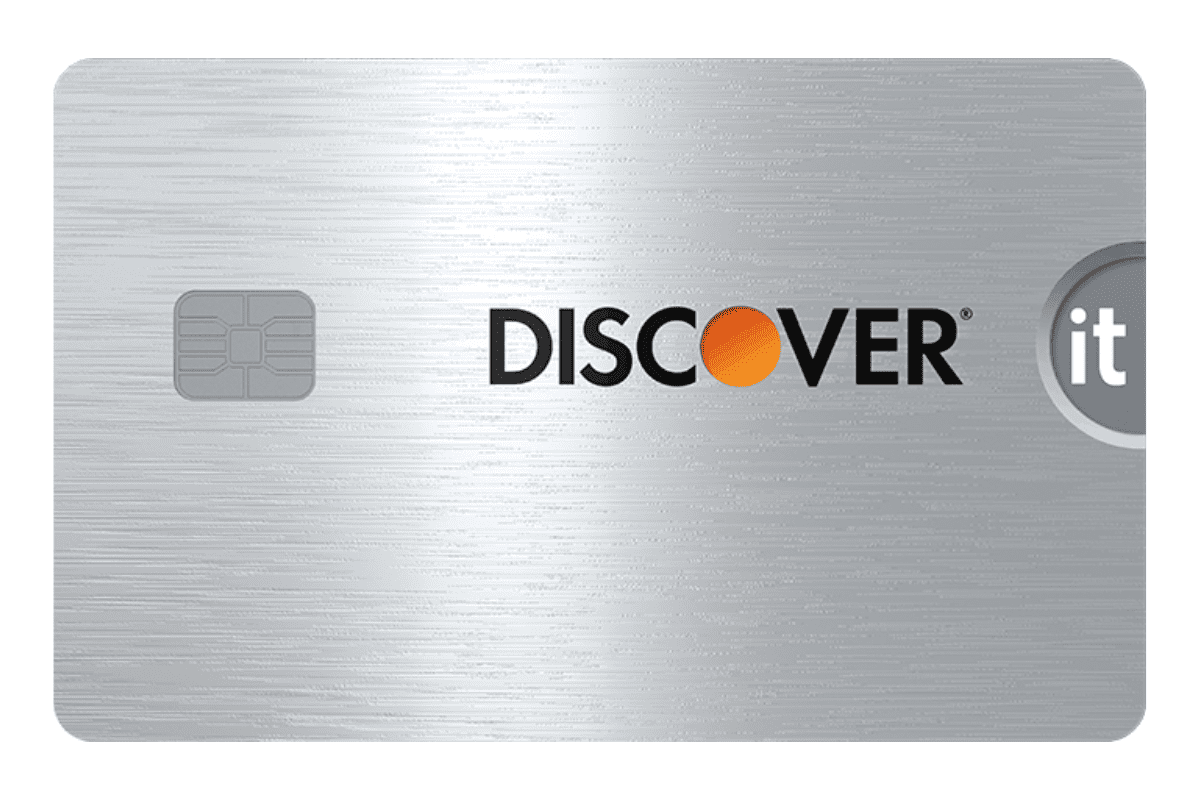
Discover it® Student Chrome
- Designed specifically for students and first-time users
- Educational resources on credit fundamentals
- Mobile app with spending notifications
- No penalty APR for first late payment
- Parent/guardian can co-sign
- Lower maximum credit limits compared to others
- Limited availability (not all states)
- Requires proof of student status
Why We Picked It:
Starting your credit journey as a young adult is challenging. This card recognizes that students often make mistakes while learning financial responsibility. The forgiving terms on first-time errors and educational approach make it ideal for building good habits.
The mobile app deserves special mention—it sends real-time alerts when you’re approaching high credit utilization and provides actionable suggestions for improvement. Many users report that these features prevented them from making common mistakes that damage credit scores.
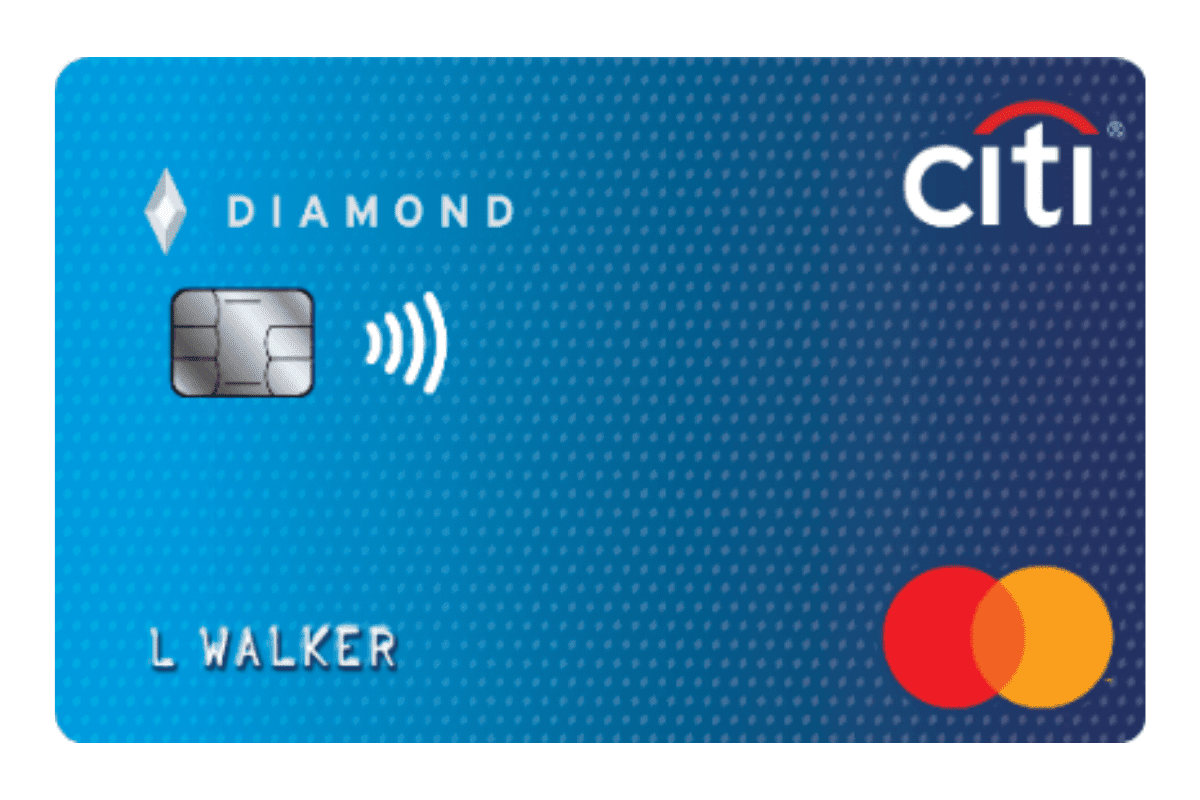
Citi® Secured Mastercard®
- No Annual Fee + Flexible Payment Dates
- Sophisticated credit monitoring with FICO scores
- Purchase protection and extended warranty coverage
- Concierge service for travel bookings
- Higher credit limits available with larger deposits
- Higher minimum deposit requirement ($300)
- Premium features may be unnecessary for basic building
- Stricter approval criteria despite being secured
Why We Picked It:
If you have the funds for a larger deposit and want the best possible terms, this is your card. The lower APR saves you money if you ever carry a balance (though you shouldn’t), and the premium features make it feel like a real credit card rather than a rebuilding tool.
The real value is psychological. Using a card with premium features can change your relationship with credit—you’ll feel more confident using it for everyday purchases, which increases your payment history data and speeds up score improvements.
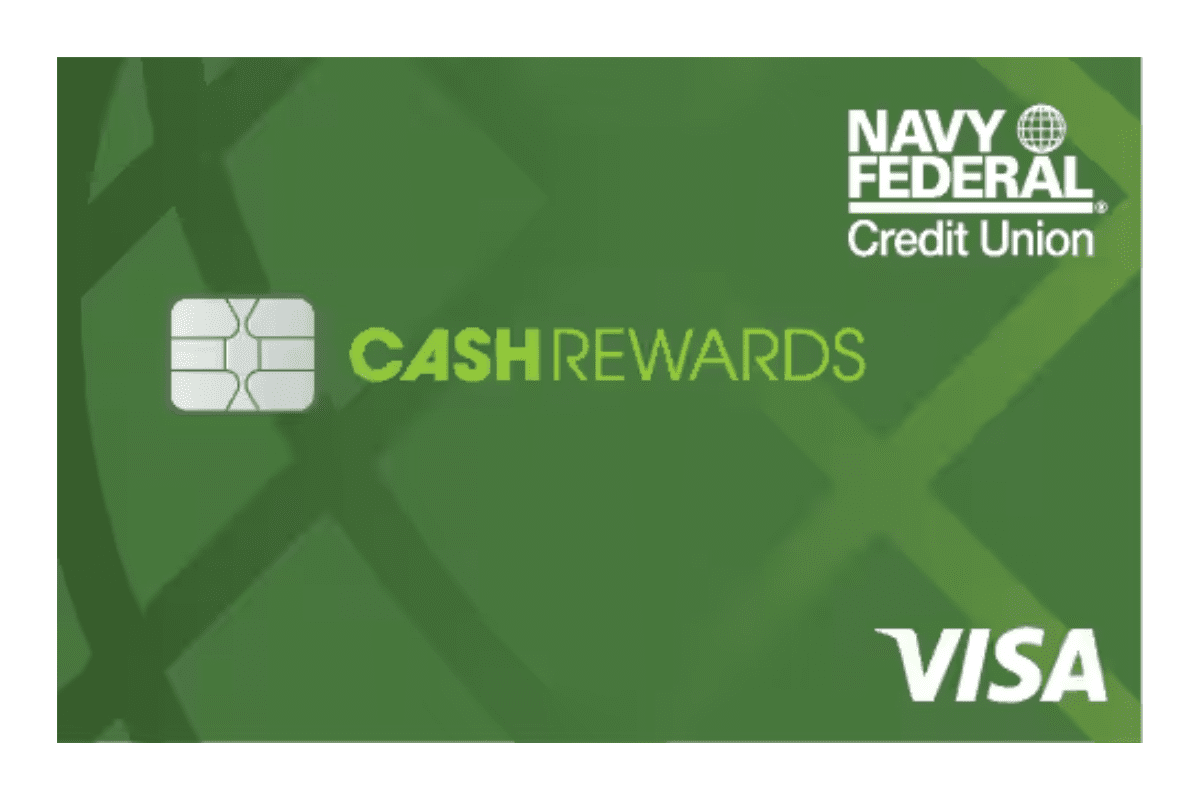
Navy Federal cashRewards® Secured Credit Card
- Zero annual fees for active military and veterans
- Specialized support for military financial challenges
- Deployment-related fee waivers and payment flexibility
- SCRA benefits included
- Strong customer service with extended hours
- Requires military affiliation verification
- Limited branch locations for in-person service
- Slightly higher deposit requirement ($250)
Why We Picked It:
Military families face unique financial challenges—deployments, relocations, and income changes can wreak havoc on credit scores. This card was designed with those realities in mind, offering deployment protection and understanding payment arrangements that civilian cards don’t provide.
The SCRA benefits are particularly valuable, potentially capping your APR at 6% during active duty periods. Combined with zero annual fees, this makes it the most cost-effective option for those who serve or have served.
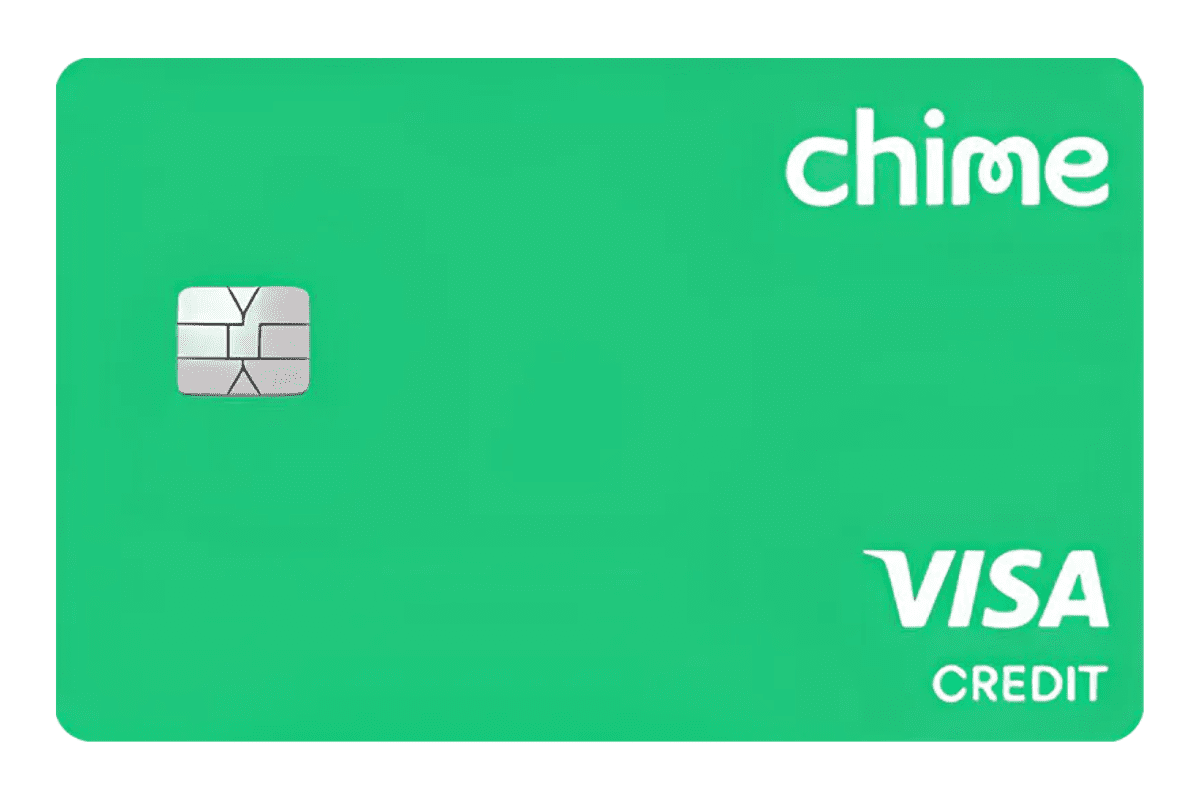
Chime Credit Builder Visa® Credit Card
- Accepts applications from recent bankruptcy filers (after discharge)
- No hard inquiry for pre-qualification check
- Comprehensive credit rebuilding program with rewards
- Automatic consideration for unsecured card after 12 months
- Spending limit is capped by the money you move to Credit Builder
- Limited credit line increases available
- Must wait until bankruptcy discharge before applying
Why We Picked It:
Recovering from bankruptcy feels like starting over with a permanent mark against you. This card specifically targets that audience with bankruptcy-friendly approval policies and a structured rebuilding program.
The milestone rewards system is brilliant—you earn statement credits for hitting credit-building goals (6 months of on-time payments earns $25, etc.). It gamifies the process and provides tangible benefits for doing what you should already be doing. Many users report this positive reinforcement kept them motivated during challenging months.
Comparison Table: 7 Best Secured Credit Cards at a Glance
| Card Name | Annual Fee | Min. Deposit | APR Range | Best Feature |
|---|---|---|---|---|
|
TOP PICK Discover it® Secured |
$0 | $200 | 28.24% Var. | Earns Cashback Rewards |
| Capital One Platinum Secured | $0 | $49, $99 or $200 | 29.99% Var. | Lowest Deposit Requirement |
| OpenSky® Secured Visa® | $35 | $200 | 25.64% Var. | No Credit Check |
| Discover it® Student Chrome | $0 | $200 | 0% Intro (6 mos) | Best for Students |
| Citi® Secured Mastercard® | $0 | $200 | 27.74% Var. | Premium Bank Reliability |
| Navy Federal nRewards® | $0 | $200 | 18.00% Var. | Best for Military |
| Chime Credit Builder Visa® | $0 | $0 / None | 0% (No Interest) | No Interest & No Min. Deposit |
How to Use a Secured Card to Boost Your Score in 90 Days
Getting approved for a secured card is just the first step. Here’s your action plan for maximum credit score improvement in the shortest time:
Week 1-2: Set Up for Success
Activate your card immediately and set up online account access. Enable automatic payments for at least the minimum amount to ensure you never miss a due date. Even one late payment can derail months of progress.
Make a small purchase ($10-20) within the first week. This generates your first statement and starts building your payment history.
Weeks 3-12: Build Positive History
Keep your credit utilization below 30%. This is critical. If your credit limit is $300, never carry a balance above $90. Ideally, keep it under 10% ($30 in this example) for maximum score impact.
Here’s the strategy that works: Use the card for one recurring bill (Netflix, Spotify, gas) and pay the full balance immediately. This creates payment activity without accumulating debt.
Pay on time, every time. Payment history is 35% of your FICO score—the single largest factor. Set up automatic payments and calendar reminders. There are no exceptions to this rule.
Day 90: Check Your Progress
Request your free credit report from AnnualCreditReport.com and verify that your new account is reporting to all three bureaus. You should see your score increase by 20-50 points if you’ve followed these steps.
Many secured card issuers provide free FICO score tracking—use this to monitor your progress monthly.
Beyond 90 Days: Accelerate Your Improvement
After establishing three months of perfect history, consider these advanced tactics:
- Request a credit limit increase without adding deposit (some issuers allow this after 6 months)
- Become an authorized user on a family member’s card with excellent payment history
- Keep your account active even when you graduate to an unsecured card—longer credit history helps your score
- Diversify your credit mix by adding a credit builder loan after 6-12 months
The key insight: consistency matters more than perfection. Six months of 30% utilization with perfect payments beats fluctuating between 5% and 80% utilization, even with perfect payments.
Common Mistakes to Avoid When Rebuilding Credit
Even with the best secured card, these errors can sabotage your progress:
Mistake #1: Maxing Out Your Card
Using 100% of your available credit, even if you pay it off monthly, signals high risk to credit scoring models. This is called credit utilization, and high utilization can drop your score by 50+ points instantly.
Solution: Keep purchases to 30% or less of your limit. If you need to make a larger purchase, pay down the balance before your statement closing date.
Mistake #2: Making Only Minimum Payments
While minimum payments keep your account current, they result in expensive interest charges and slow debt repayment. On a $300 balance at 25% APR, minimum payments could cost you $100+ in interest over time.
Solution: Pay your full statement balance every month. Treat your secured card like a debit card—only spend what you can pay off immediately.
Mistake #3: Opening Multiple Cards Too Quickly
Each credit application triggers a hard inquiry, temporarily lowering your score. Opening three secured cards in one month looks desperate to lenders and can drop your score significantly.
Solution: Start with one secured card. After 6-12 months of excellent management, you can consider adding another credit product if needed.
Mistake #4: Closing Your Account Too Soon
When you graduate to an unsecured card, you might be tempted to close your secured card immediately. This mistake reduces your available credit (increasing utilization) and shortens your credit history.
Solution: Keep your secured card open for at least another 6-12 months after graduation, making small purchases monthly to keep it active.
Mistake #5: Ignoring Your Credit Reports
Errors on your credit report can damage your score. A 2021 FTC study found that 20% of consumers had errors on at least one credit report.
Solution: Check your credit reports from all three bureaus every 4 months (you get one free report per bureau annually). Dispute any errors immediately through the bureau’s online portal.
Mistake #6: Falling for “Credit Repair” Scams
Companies promising to “erase bad credit” or “remove bankruptcies legally” are scams. You cannot remove accurate negative information from your credit report.
Solution: Rebuild credit yourself using secured cards and time. Legitimate negative items remain for 7-10 years, but their impact diminishes significantly after 2 years of positive history.
Frequently Asked Questions
Some issuers automatically convert your secured card to an unsecured product after 12-18 months of responsible use, returning your deposit at that time.
- Recent bankruptcy that hasn’t been discharged
- Outstanding collections or charge-offs with the same bank
- Inability to verify your identity or income
- Residence in a state where the issuer doesn’t operate
- If you have no credit history: Expect a score in the 600-650 range after 6 months of perfect use.
- If you’re rebuilding from bad credit (500-580): Expect 30-80 point increases within 6-12 months.
- If you’re recovering from major negatives: Progress is slower but steady—50-100 points over 12-18 months.
- No deposit required means more cash in your pocket.
- Unsecured cards often have higher credit limits.
- You skip the “graduation” process.
- At least 12 months of credit history (24+ months is better).
- Multiple types of credit (revolving and installment).
- Low debt-to-income ratio.
- Drop your score by 60-110 points (depending on your current score).
- Remain on your report for 7 years (though impact decreases over time).
- Trigger a penalty APR (often 29.99%).
- Result in late fees ($25-40).
Your Credit Comeback Starts Today
Bad credit feels like a life sentence, but it's actually a temporary condition that you have the power to change. The secured credit cards in this guide represent your most effective tools for rebuilding financial credibility in 2026.
Here's what you need to remember:
Start now. Every month you wait is another month your score isn't improving. Choose the card that fits your situation best, submit your application, and commit to 12 months of flawless payment history.
Be patient but consistent. Credit rebuilding isn't overnight magic—it's a systematic process that rewards discipline. Make small purchases, pay on time, keep utilization low, and watch your score climb steadily.
Think beyond the secured card. This isn't your permanent solution; it's your gateway to better financial products. Once you've proven your creditworthiness, you'll qualify for unsecured cards, competitive loan rates, and the financial opportunities you deserve.
Your credit mistakes don't define your future. Your commitment to rebuilding does.
Take action today. Choose your secured card, fund your deposit, and make your first responsible purchase. Ninety days from now, you'll see measurable progress. Twelve months from now, you'll barely recognize your credit profile.
The financial freedom you want is absolutely achievable—and it starts with the secured credit card in your wallet.
Important Financial Disclaimer
This article is for informational and educational purposes only and should not be construed as financial advice. The information provided represents general guidance on secured credit cards and credit rebuilding strategies available in 2026.
Individual circumstances vary significantly. What works for one person may not be appropriate for another. Your credit situation, income, expenses, and financial goals are unique and require personalized consideration.
We are not financial advisors, credit counselors, or legal professionals. Before making any financial decisions, including applying for credit cards or implementing credit rebuilding strategies, you should:
- Review the complete terms and conditions of any financial product
- Consult with a qualified financial advisor or credit counselor
- Consider your full financial picture, including income, expenses, and existing obligations
- Understand the legal implications of credit-related decisions in your jurisdiction
Card terms, rates, and features change frequently. While we've made every effort to provide accurate information about secured credit card products available in 2026, specific terms, annual percentage rates, fees, and features are subject to change without notice. Always verify current terms directly with card issuers before applying.
Credit improvement is not guaranteed. While secured credit cards can be effective tools for building or rebuilding credit, results depend entirely on responsible usage, including timely payments, appropriate credit utilization, and overall financial management. Past performance and typical results do not guarantee future outcomes.
No endorsement implied. Mention of specific secured credit card products or features does not constitute an endorsement or recommendation. We have no affiliate relationships with any card issuers mentioned in this article.
By reading this article, you acknowledge that you understand these limitations and will conduct your own due diligence before making financial decisions.